
"Angola coffee revival"
146000 article(s) found

Angola used to be a big coffee producer
Once a big coffee producer, the future is now uncertain. In the mid-1970s, Angola exported 3.5 million bags of coffee a year, 98 per cent of which was Roberts (probably the best in Africa), but total production fell to 200000 bags in 1990. The best brands in Angola used to be Ambriz, Amborm and Nov

Angola, once one of the largest coffee countries in the world.
Josefa, Secretary General of the Coffee Organization of African countries? Correa? Sako said on the 10th that Angola is expected to regain its position as a major coffee producer in the world due to the nationwide coffee planting campaign. In analyzing the global financial crisis and the situation in the international coffee market, Sako said that there are still gaps in the international coffee market, and Angolan coffee should not only increase its output, but also improve its quality.

An introduction to the History of growing Coffee beans in Angola
Following Cafe (official Wechat account vdailycom) found that coffee revenue was once one of the main sources of revenue for the Angolan treasury, and coffee production provided a large number of jobs in the country. Before the independence of Angola, coffee growers produced 5000 tons of coffee beans per year. In order to increase coffee production, the country needs to provide more production tools,

Start with coffee beans (24)-Africa-Angola
In the mid-1970s, Angola exported 3.5 million bags of coffee a year, 98 per cent of which were Robusta coffee (probably the best Robusta coffee in Africa), but total production fell to 200,000 bags in 1990. The best brands in Angola used to be Ambriz, Amborm and Novo

Description and treatment of flavor of Angolan coffee beans introduction to planting environment of varieties with taste
The Angolan government is currently working on a development plan to revitalize coffee production in order to restore coffee production across the country to the level of the 1970s. Manuel Dias, director of the Angolan Coffee Agency, recently told the local press that the Angolan government's plan mainly includes expanding growing areas, increasing investment, working hard to support coffee farmers and promoting fine varieties. Uige, Bengo

Angola is expected to become a major coffee producer again
Angola is poised to regain its status as the world's largest coffee producer thanks to a nationwide coffee growing campaign, said Josefa Correa Saco, secretary general of the Organization of African States Coffee.

Arabica Fine Coffee beans introduction to the style and characteristics of Arabica Coffee
Angola, once a big coffee producer, now has an uncertain future. In the mid-1970s, Angola (Angola) exported 3.5 million bags of coffee a year, 98 per cent of which was Robbins (probably the best in Africa), but total production fell to 200000 bags in 1990. The best brands in Angola used to be Ambriz, Amborm, and New

Coffee producing area Angola
In the mid-1970s, Angola (Angola) exported 3.5 million bags of coffee a year, 98 per cent of which was Robbins (probably the best in Africa), but total production fell to 200000 bags in 1990.

Introduction to the origin of coffee-the characteristics, origin and brand market of Angolan coffee
Professional baristas please follow the coffee workshop (official Wechat account cafe_style) Portuguese news agency reported that Angolan coffee brand Caf Cazengo will export its coffee products to China. Jos Gonalves, the project manager, said the brand would export a total of 54 tons of coffee to China, the United States and Portugal, but did not disclose the export price.
The characteristics of real estate coffee
Angola is the fourth largest coffee industry in the world, but it produces only a small amount of Arabica coffee and is of high quality. The origin of coffee in Angola: 98% of the coffee in Angola (Angola) is Roberts coffee. The former best brands in Angola are Ambriz, Amborm and NovoRedondo, all of which are of consistent quality.
The characteristics of several real estate coffees
Angola is the fourth largest coffee industry in the world, but it produces only a small amount of Arabica coffee and is of high quality. The origin of coffee in Angola: 98% of the coffee in Angola (Angola) is Roberts coffee. The former best brands in Angola are Ambriz, Amborm and NovoRedondo, all of which are of consistent quality.

What are the growing areas of Angolan coffee? An introduction to the history of coffee cultivation in Angola
Professional coffee knowledge exchange more information about coffee beans Please follow the coffee workshop (Wechat official account cafe_style) Angolan coffee is famous for its sweet taste. The most amazing thing about the Angolan coffee bean is that it is a strong bean. Robusta beans are usually known for their strong flavor and are often used as fillers for Arabica coffee beans by major coffee producers.

Introduction of high quality Angora coffee bean flavor description and processing method for taste production of varieties
The rivers in Angola radiate from the Bier plateau in the center, and the north flow is mostly a tributary of the Congo River. The southeast flows more into the Sanbixi River. Its mainstream source is also in northeastern Angola. The lower reaches of the Kune River, which flows to the southwest, forms the boundary river with Namibia. All the rivers flowing to the west flow into the Atlantic Ocean, with the Kuansha River as the largest, and all enter the sea from Luanda. [5] Resources, oil, natural

The present situation of Angolan coffee industry. How about Angolan coffee? how much are the Angolan coffee beans per jin?
For more information on coffee beans, please follow the coffee workshop (official Wechat account cafe_style). According to the National Coffee Association of Angola, the export revenue of Angolan coffee reached US $2 million in 2015. Angolan newspaper Jornal de Angola reported this week that this income was 262 percent higher than US $552000 in 2014 and 207 per cent higher than US $650000 in 2013. It is reported that this growth is significant.

Rwanda Coffee Flavor and Taste Manor characteristics of Malaba Coffee Coffee Chimeier Manor
Angola Angola, once a big coffee producer, now has an uncertain future. In the mid-1970s, Angola (Angola) exported 3.5 million bags of coffee a year, 98 per cent of which was Roberts (probably the best in Africa), but total production fell to 200000 bags in 1990. The best brands in Angola used to be Ambriz and Amborm.
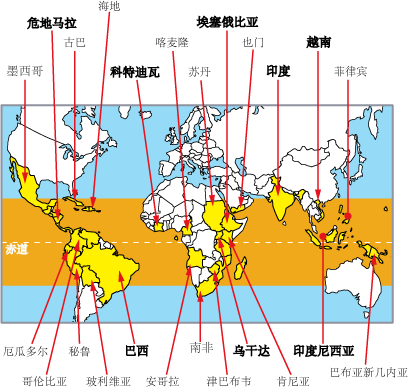
A big coffee producer, Robert's Coffee, Ambry Ambalem and New Ridondu Coffee beans
Angola, once a big coffee producer, now has an uncertain future. In the mid-1970s, Angola (Angola) exported 3.5 million bags of coffee a year, 98 per cent of which was Robbins (probably the best in Africa), but total production fell to 200000 bags in 1990. The best brands in Angola used to be Ambriz, Amborm, and New
Coffee producing area-Angola
Used to be a big coffee producer, but now its future is uncertain

Taste characteristics and roasting degree of Angolan coffee
Following Cafe (official Wechat account vdailycom) found that Angola, once a big coffee producer, opened a small shop of its own. In the mid-1970s, Angola (Angola) exported 3.5 million bags of coffee a year, 98 per cent of which were Robbins (probably the best in Africa). In 1990, total production fell to 200000 bags. Ann
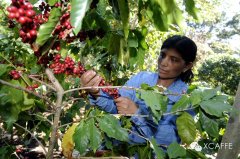
Ecuador imports pest-resistant coffee seeds to revive coffee industry
In recent years, the Latin American coffee industry has been plagued by coffee leaf rust (CoffeeRoya), and Ecuador has not been spared. Since 2012, coffee bean exports have lost a total of US $20 million, with exports of US $28.8 million, US $14.8 million and US $9.7 million respectively in the first five months of the past three years, with an annual decline of 30-40%. Coffee products made from coffee beans in 2012

Angola coffee beans Africa's best Robbins waiting coffee African coffee varieties
High-quality coffee beans are refined by water treatment. The coffee beans with less impurities can be obtained by the water washing method, but if the water quality and time are not properly controlled during the fermentation process, the coffee beans will easily be infected with the sour taste of excessive fermentation. and dry beans also need to pay attention to timely re-inspection to prevent coffee beans from being contaminated by wet ground and sundries. Processed